The recent deep dive into OpenAI’s internal data agent from OpenAI has been circulating for good reason. Beyond the impressive engineering and scale, it highlights something far more important:
What actually makes AI systems useful inside an organisation.
The most interesting takeaway wasn’t the volume of data or the sophistication of the agent. It was something anyone who has built AI agents will recognise immediately:
Context is everything.
AI Is Only As Good As Its Context
The agent’s usefulness didn’t come from raw intelligence. It came from being grounded in:- Well-documented datasets
- Clear business definitions
- Enterprise knowledge
- Reliable data lineage
When this information is properly structured and made available at inference time, the agent can produce responses that are grounded, consistent and materially correct.
Without that context, even the most advanced model is guessing.
With it, you have something powerful.
The Hidden ROI of Good Documentation
Many organisations already have strong documentation practices in place. The challenge is maintaining them. The return on documentation often feels indirect or delayed.
Introducing an internal data agent changes that dynamic entirely.
Once business stakeholders begin relying on an agent to answer every day operational and strategic questions, the value of accurate, up-to-date documentation becomes obvious. Suddenly:
- Data definitions matter
- Lineage matters
- Ownership matters
- Clean metadata matters
People maintain documentation because they see its immediate impact on answer quality.
AI becomes the forcing function for better data hygiene.
What a Data Warehouse Agent Unlocks
Today, most data teams operate reactively:
- Ad hoc SQL requests
- One-off analysis
- Custom BI dashboards
- Repeated reporting cycles
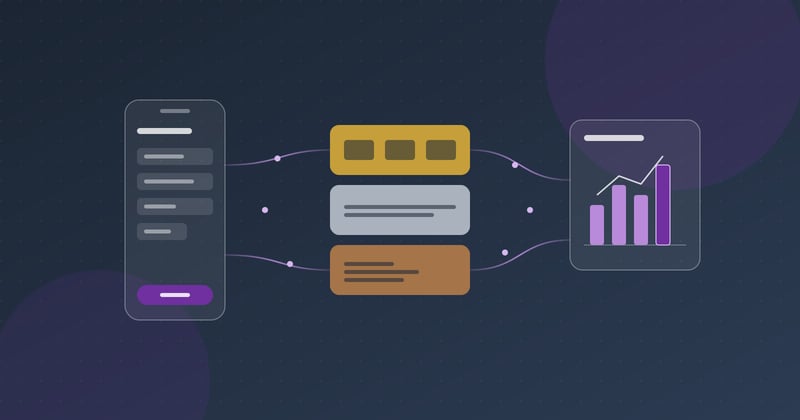
A well-designed Data Warehouse Agent shifts this model. It allows business users to interact directly with trusted data using natural language, while the agent translates intent into structured queries, applies governance rules and returns contextualised answers.
The result:
- Fewer bottlenecks for data teams
- Faster answers for the business
- More leverage from existing infrastructure
- A measurable productivity lift
It’s not about replacing analysts. It’s about amplifying them.

This Is More Achievable Than Most People Think
What’s often overlooked is how reachable this is with today’s tooling.
Platforms like Databricks and Snowflake already provide much of the foundation required:
- Data lineage
- Vector search
- Model evaluation and testing
- Secure deployment environments
In many modern data stacks, the core building blocks are already in place.
The question is no longer if this can be done.
It’s how quickly you choose to move.
Build a Usable Internal Agent — In Weeks, Not Months
If you’re thinking about what an internal AI agent could look like inside your organisation, now is the moment to act. With the right foundations and a focused build approach, it’s entirely possible to move from concept to a genuinely usable internal data agent in a matter of weeks.
At One51, we help organisations:
- Assess data readiness
- Design grounded agent architectures
- Integrate securely with existing warehouses
- Deploy practical, production-grade internal agents
If you want to explore what this could look like in your environment, let’s start with a focused working session.
Book a complimentary strategy session with our team and we’ll map out what a practical, production-ready internal agent could look like for your organisation.
The foundations may already be in place.
Ready to build your internal data agent?
Contact us to explore how we can help you get started.